
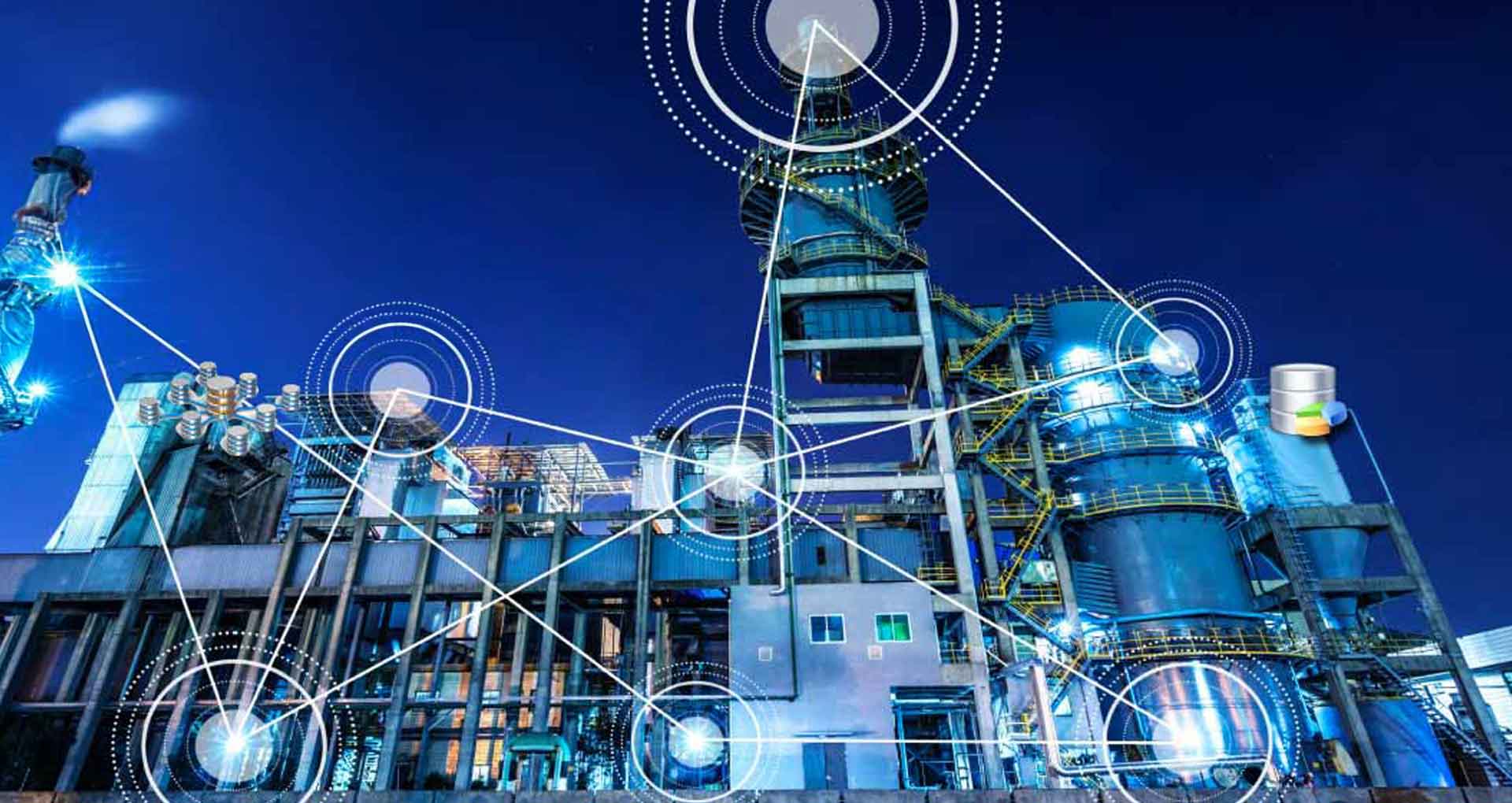
IoT connectivity has revolutionised oil and gas monitoring completely. Instead of sending technicians on monthly inspection rounds, which can be dangerous, companies now rely on sensor networks. These sensors monitor wellheads, compressors, and valves, transmitting data every few seconds for real-time oversight.
This article examines the operations of IoT connectivity in oil and gas operations and the specific technologies involved. It also examines the tangible benefits companies can achieve through remote monitoring systems.
Understanding IoT Architecture in Oil & Gas Fields
The architecture of an IoT-enabled oilfield integrates sensors, gateways, connectivity networks, and cloud platforms into one continuous data loop. Each layer works together to deliver real-time visibility, operational safety, and faster decision-making.
Sensor Networks and Data Collection
IoT connectivity starts with sensors embedded directly into field equipment. These devices measure everything from pipeline pressure to tank levels, creating continuous data streams that replace manual readings. A typical wellhead contains 15 to 20 sensors monitoring:
- Temperature fluctuations (ranging from -40°C to 150°C)
- Pressure variations (up to 15,000 psi)
- Flow rates (measured in barrels per day)
- Vibration patterns (detecting mechanical wear)
- Chemical composition (oil, water, gas ratios)
IoT gateways translate industrial protocols into standard formats. Switching to MQTT, for instance, reduces data latency from minutes to seconds, enabling early leak detection. Edge computing processes large data volumes locally, filtering irrelevant signals and reducing bandwidth while ensuring only critical alerts reach central systems.
Connectivity Solutions for Remote Locations
Oilfields often operate in deserts, offshore basins, forests, and mountainous regions where conventional broadband is unavailable. IoT connectivity bridges this gap through multiple technologies customised to specific environments.
LoRaWAN
It excels in remote areas where cellular coverage fails. These long-range, low-power systems transmit sensor data up to 15 kilometres in open terrain. Offshore platforms use LoRaWAN gateways to monitor gas levels and worker locations, with sensors running for years on small batteries. It also enables operators to visualise data and respond to alerts instantly.
Satellite Communication
These services cost less than traditional satellite systems while providing reliable data transmission from anywhere on Earth. Desert wells in Rajasthan and offshore rigs in the Arabian Sea maintain constant contact with control rooms through these networks.
Cellular IoT
It serves areas with existing mobile infrastructure. IoT connectivity supports continuous monitoring of workers, equipment, and environmental parameters. GSM-based tracking proves particularly cost-effective. It is roughly three times cheaper than GPS alternatives while delivering similar functionality.
Real-Time Equipment Monitoring Capabilities
Real-time IoT monitoring helps operators detect equipment issues early, improving asset reliability and preventing operational disruptions.
Predictive Maintenance Through Pattern Recognition
Smart metering IoT transforms maintenance from reactive firefighting to proactive planning. Sensors attached to pumps, compressors, and motors track vibration patterns that reveal developing problems weeks before failure.
Example Scenario
A compressor’s vibration sensor detects a 0.3 mm increase in amplitude at 165 Hz frequency. This subtle change indicates bearing wear that manual inspection would miss. The system generates a maintenance alert, allowing technicians to schedule replacement during planned downtime rather than an emergency shutdown.
Financial Impact
- Reduces unplanned downtime
- Lowers maintenance costs
- Extends equipment lifespan
- Optimises spare parts inventory
Smart metering IoT also monitors acoustic signatures in pipelines. Inexpensive sensors analyse sound patterns to determine oil composition, such as the ratio of oil, water, and gas flowing through pipes. Statistical models estimate flow rates from these acoustic measurements, helping operators optimise production without expensive flow meters. Laboratory tests validate sensor accuracy, with selected units showing optimal performance under simulated field conditions.
Environmental and Safety Monitoring
IoT connectivity extends beyond equipment to environmental protection and worker safety. Sensors continuously measure emissions, hydrocarbons, and chemical levels in air, soil, and groundwater. When readings exceed safety thresholds, the system triggers immediate responses:
- Alerts notify control room operators
- Field personnel receive SMS warnings
- Automatic equipment shutdown prevents spills
- Emergency response teams mobilise
Gas Leak Detection
Smart metering IoT sensors identify methane concentrations as low as 50 ppm, far below explosive levels. Early detection prevents accidents that could result in millions in cleanup, regulatory fines, and reputation damage.
Worker Safety Enhancement
- Man-down detection for isolated workers
- Gas exposure monitoring with personal sensors
- Heat stress prevention through temperature tracking
Automatic Alerts
Geofencing creates virtual boundaries around hazardous zones. When personnel enter restricted areas, the system sends automatic alerts. During emergencies, GSM-based location services enable rescue teams to locate workers quickly, which is critical when every second counts.
Strategic Insights
IoT connectivity has shifted oil and gas operations from reactive crisis management to proactive optimisation. Companies using sensor networks, edge computing, and cloud platforms experience significant improvements in safety, efficiency, and profitability.
As the industry transitions to digital oilfields, selecting the right connectivity framework becomes critical. LoRaWAN suits remote wellheads. Cellular works for mobile equipment. Satellites enable offshore monitoring. Integration with existing systems through protocol translation and edge computing ensures smooth implementation without disrupting operations. Smart metering IoT applications provide composition analysis that optimises production while reducing equipment wear.
For Indian oil and gas companies seeking reliable IoT connectivity solutions, Airtel IoT offers enterprise-grade connectivity. It supports a wide range of IoT applications, from basic GSM tracking to advanced smart utility solutions, with numerous real-world deployments across industries.