
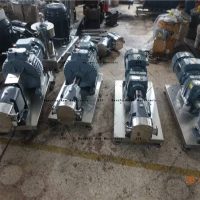
Fluid management remains a fundamental requirement in a wide variety of industrial and manufacturing environments. When a process calls for the reliable transfer of fluids—ranging from thin, lubricating oils to thick, viscous polymers—rotary gear pumps frequently serve as a preferred solution. Understanding how these systems function and what considerations influence their performance can help operators maintain efficiency and longevity in their fluid handling systems.
The Operational Mechanics of Gear-Based Pumping
At a high level, the function of a rotary gear pump relies on the precise meshing of two or more gears within a close-tolerance housing. As the gears rotate, they create expanding and contracting volumes that drive fluid from an inlet port to an outlet port. Because the design typically involves a fixed volume of fluid being moved with each rotation of the gears, these units are often categorized as positive displacement pumps.
The mechanism is notable for its consistency. As fluid enters the space between the gear teeth, it is trapped and carried along the casing wall to the discharge side. The meshing of the gears at the discharge point then prevents the fluid from returning to the inlet, forcing it into the discharge piping. This process is generally smooth and predictable, which is why they are often chosen for applications where a steady flow rate is essential, regardless of changes in discharge pressure.
Factors Influencing System Performance and Selection
When evaluating the suitability of a gear pump manufacturer or a specific hardware configuration, several variables often come into play. A knowledgeable approach begins by analyzing the physical properties of the fluid being processed. Viscosity, in particular, is a critical factor. High-viscosity fluids can exert significant stress on pump components, while low-viscosity fluids may lead to internal leakage if tolerances are not precisely maintained.
Temperature also plays a substantial role. Many industrial processes operate in environments where temperatures fluctuate, which can affect both the fluid’s viscosity and the thermal expansion of the pump’s internal parts. A system that is not properly specified for the expected temperature range may experience premature wear or binding.
Material compatibility is another essential consideration. The internal components must be able to withstand the chemical nature of the fluid, whether it is abrasive, corrosive, or neutral. Thoughtful selection of materials for the gears, seals, and housing can help ensure that the pump remains durable over time. It is often wise to consult with technical resources regarding the compatibility of various alloys and seal materials with the specific fluids being handled.
Challenges in Maintaining System Reliability
Even with well-designed equipment, fluid handling systems are subject to common operational challenges. Cavitation, for instance, occurs when the pressure at the pump inlet drops below the vapor pressure of the liquid. This can create bubbles that collapse violently within the pump, potentially damaging the gear surfaces and casing over time. Ensuring that the suction side of the system is properly sized and free of obstructions is a common way to mitigate this risk.
Another challenge is the buildup of contaminants. Solid particles within a fluid can act as abrasives, accelerating the wear on the gear teeth and internal bearings. Implementing robust filtration practices upstream of the pump can significantly extend the operational life of the equipment. Operators should regularly assess whether their filtration strategy aligns with the requirements of the pump components.
Furthermore, improper installation or misalignment of the drive coupling can place unnecessary strain on the pump shaft and bearings. Ensuring that the entire drive train is properly aligned during installation is a frequent recommendation for reducing vibrations and preventing premature component failure.
Approaching Procurement and Maintenance Decisions
For those involved in the procurement of industrial equipment, the search for a gear pump manufacturer often involves identifying a partner that offers both technical support and reliable hardware. A high-quality provider typically emphasizes transparency regarding performance capabilities and maintenance requirements.
When discussing needs with a potential supplier, consider asking the following types of questions:
- What documentation is available regarding the recommended maintenance schedule for these specific models?
- How does the manufacturer advise addressing common wear points over the life of the unit?
- Are there specific operational guidelines to maximize the efficiency of the system when handling fluids with varying viscosities?
- What kind of technical expertise does the company offer to assist with troubleshooting or system integration?
Maintenance should also be viewed as a proactive process rather than a reactive one. Establishing a routine that includes monitoring for unusual noise, tracking pressure fluctuations, and inspecting seals can often catch developing issues before they lead to an unplanned shutdown.
Strategic Steps for Long-Term Fluid Handling Success
Successfully integrating rotary gear pumps into an industrial facility often comes down to matching the equipment’s design capabilities with the specific demands of the task. Because these pumps are central to the movement of materials, investing time in the initial selection and sizing process is usually time well spent.
Whether you are managing a new installation or seeking to optimize an existing fluid system, focus on the details of the application—the fluid characteristics, the environmental conditions, and the intended cycle of operation. By working closely with knowledgeable providers and maintaining a diligent approach to routine care, organizations can often achieve consistent and reliable fluid transfer that supports their broader operational goals.
Taking a systematic approach to these considerations is a standard practice for ensuring that industrial pumping equipment performs as expected throughout its service life. Establishing clear procedures for installation, operation, and ongoing assessment provides a foundation for stability in any fluid handling environment.